

Public Law Update – California Enacts AB 39: New Electrification Planning Mandates for Cities and Counties
Jan 12, 2026AB 39, also known as the “Local Electrification Planning Act,” went into effect January 1, 2026. The new law requires cities and counties with more than 75,000 residents to adopt plans identifying ways to expand electric vehicle charging and other zero-emission vehicle fueling infrastructure. (Gov. Code § 65302.13.)
Overview of the New Requirements
After January 1, 2027 but no later than January 1, 2030, or as part of their next general plan update between 2027 and 2030, local jurisdictions with more than 75,000 residents must adopt a local electrification, decarbonization, community energy, or other comparable plan that identifies goals, objectives, policies, and feasible implementation measures for electrification and decarbonization. The plan must also identify policies and measures that provide fair, priority investments in zero-emission technologies for disadvantaged communities, low-income households, and small businesses. Jurisdictions with an existing plan that meets the statutory requirements may designate it as such, in order to comply.
Plans must include local goals, objectives, policies and implementation measures that:
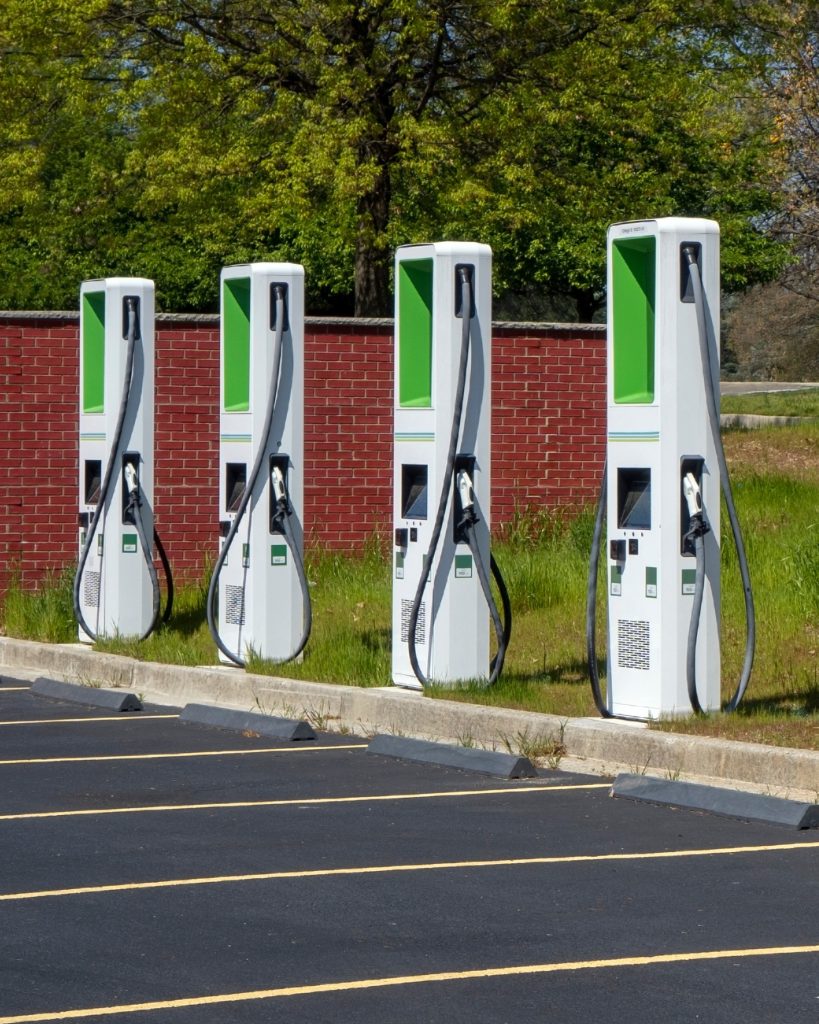
- Identify opportunities to expand EV charging and other zero-emission fueling infrastructure, including removing barriers to deployment.
- Identify opportunities to expand EV charging in residential, retail, commercial, and public street locations, including potential public charging corridors, with attention to community needs, including disadvantaged and low-income groups.
- Identify strategies to electrify and decarbonize new and existing buildings, including possible incentives or subsidies for property owners and low-income households, to the extent consistent with building code requirements.
- Identify opportunities to expand zero-emission and renewable distributed energy resources such as rooftop solar, community solar, microgrids, and battery storage to improve clean energy generation and local reliability.
- Identify infrastructure needs and strategies to serve current and future medium- and heavy-duty zero-emission vehicle fleets.
- Coordinate with local utilities to identify where grid upgrades are required to support transportation electrification, decarbonization, and building electrification for all user groups.
Conclusion
AB 39 requires larger local jurisdictions to incorporate electrification and decarbonization into their planning documents. Next steps should include reviewing current general plans, initiating baseline needs assessments, setting goals, and integrating electrification strategies into future updates to ensure timely compliance with the statute.
Burke, Williams & Sorensen, LLP regularly advises clients on legal matters relating to housing, and land use issues.
All materials have been prepared for general information purposes only to permit you to learn more about our firm, our services and the experience of our attorneys. The information presented is not legal advice, is not to be acted on as such, may not be current and is subject to change without notice
 LOS ANGELES